Thoughts from Emerson in Minature
6j Edinburgh: Nimmo Hay and Mitchell, ca. 1910.
Notes
Ralph Waldo Emerson was a nineteenth-century American essayist, lecturer, and poet best known as a leading voice of Transcendentalism. His writings emphasize self-reliance, individual conscience, the spiritual power of nature, and the belief that truth is found through personal insight rather than tradition or institutions. Essays such as Self-Reliance and Nature helped shape American intellectual life by encouraging independence of thought and a deep trust in the moral potential of the individual.
Miniature books grew especially popular in the late nineteenth and early twentieth centuries, when improvements in printing, paper quality, and typesetting made it possible to produce readable texts at very small sizes. Their appeal blended novelty, craftsmanship, and collectability: readers enjoyed the surprise of fully functional books small enough to fit in a pocket, while collectors prized the fine bindings, gilt lettering, and clever design challenges they represented. Miniature volumes were often given as gifts or souvenirs and frequently featured well-known classics, poetry, or religious texts, since familiar works lent themselves well to abbreviated or compact formats.
Description
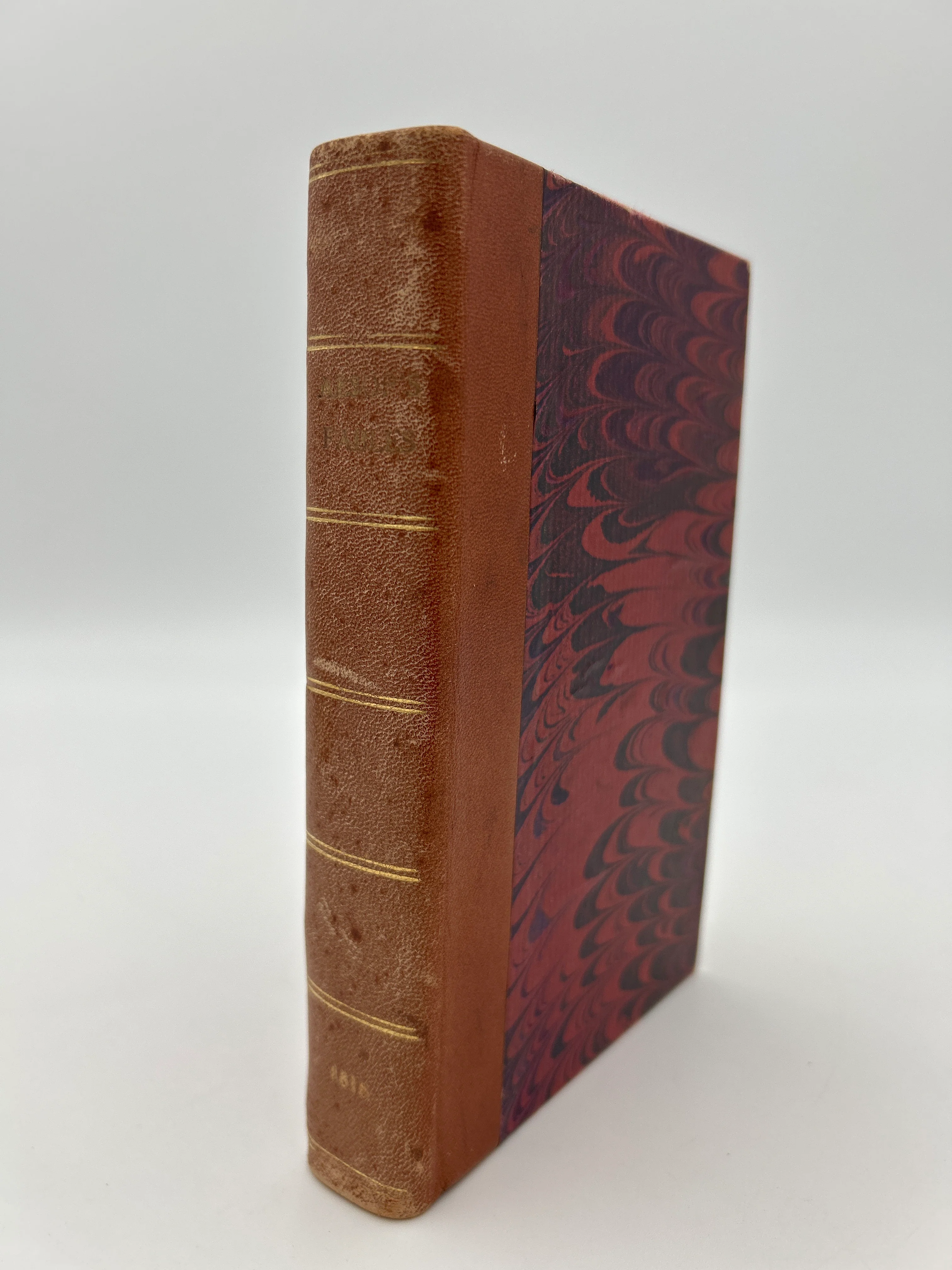
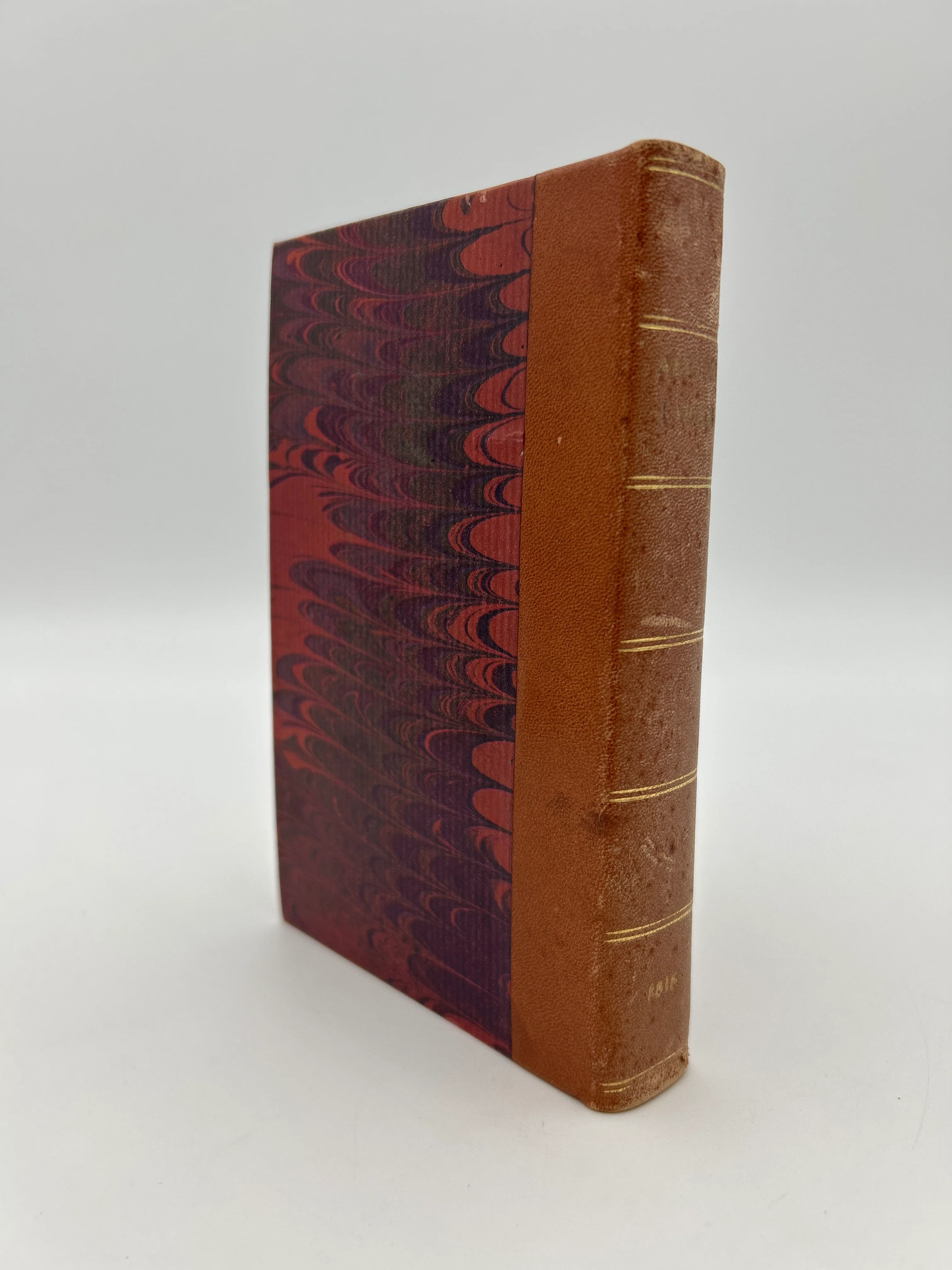
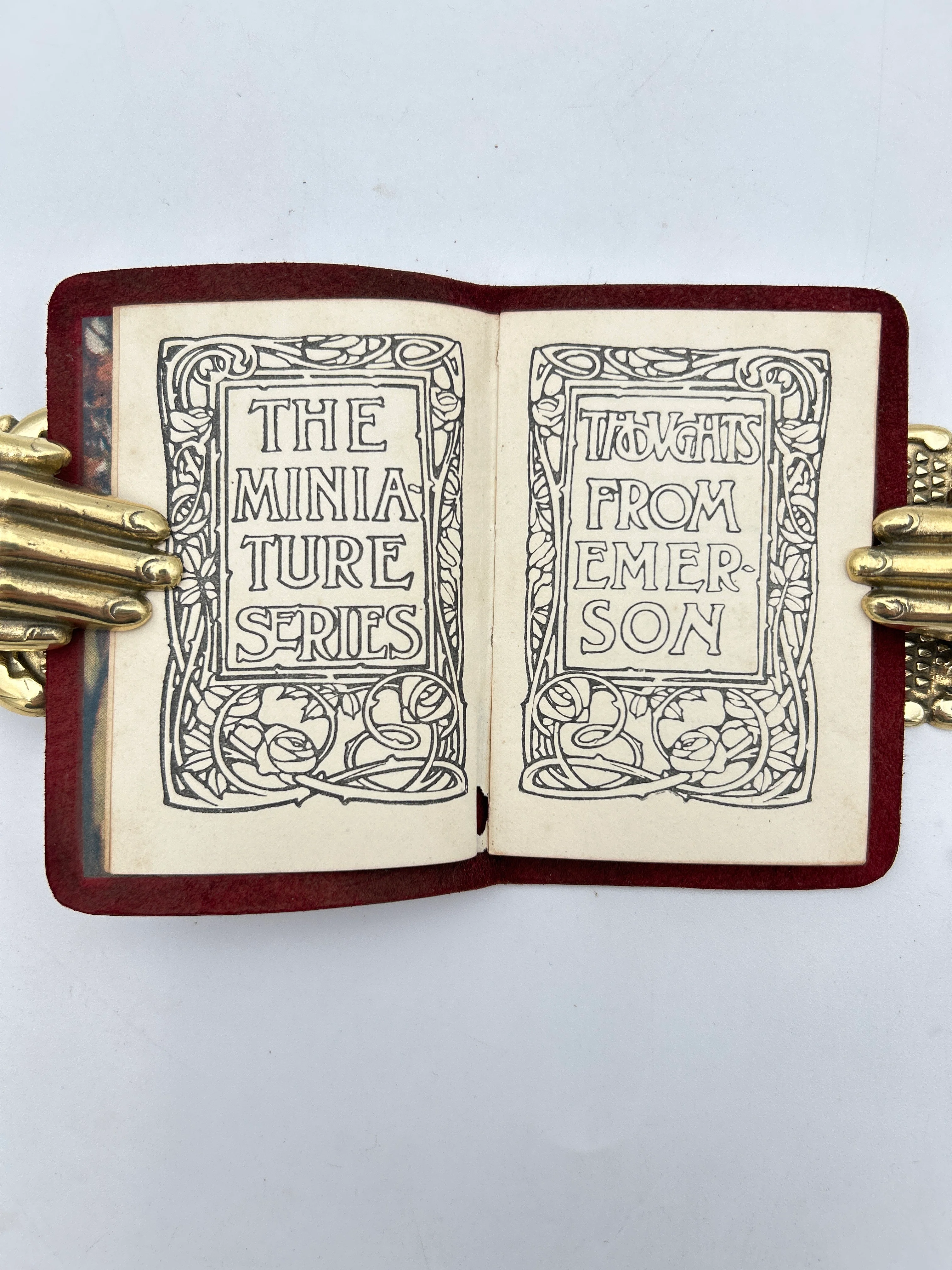
Miniature. Rust suede binding. Gilt edges and gilt lettering on spine. Pastoral and castle endpapers. Fine condition.
Original: $30.00
-65%$30.00
$10.50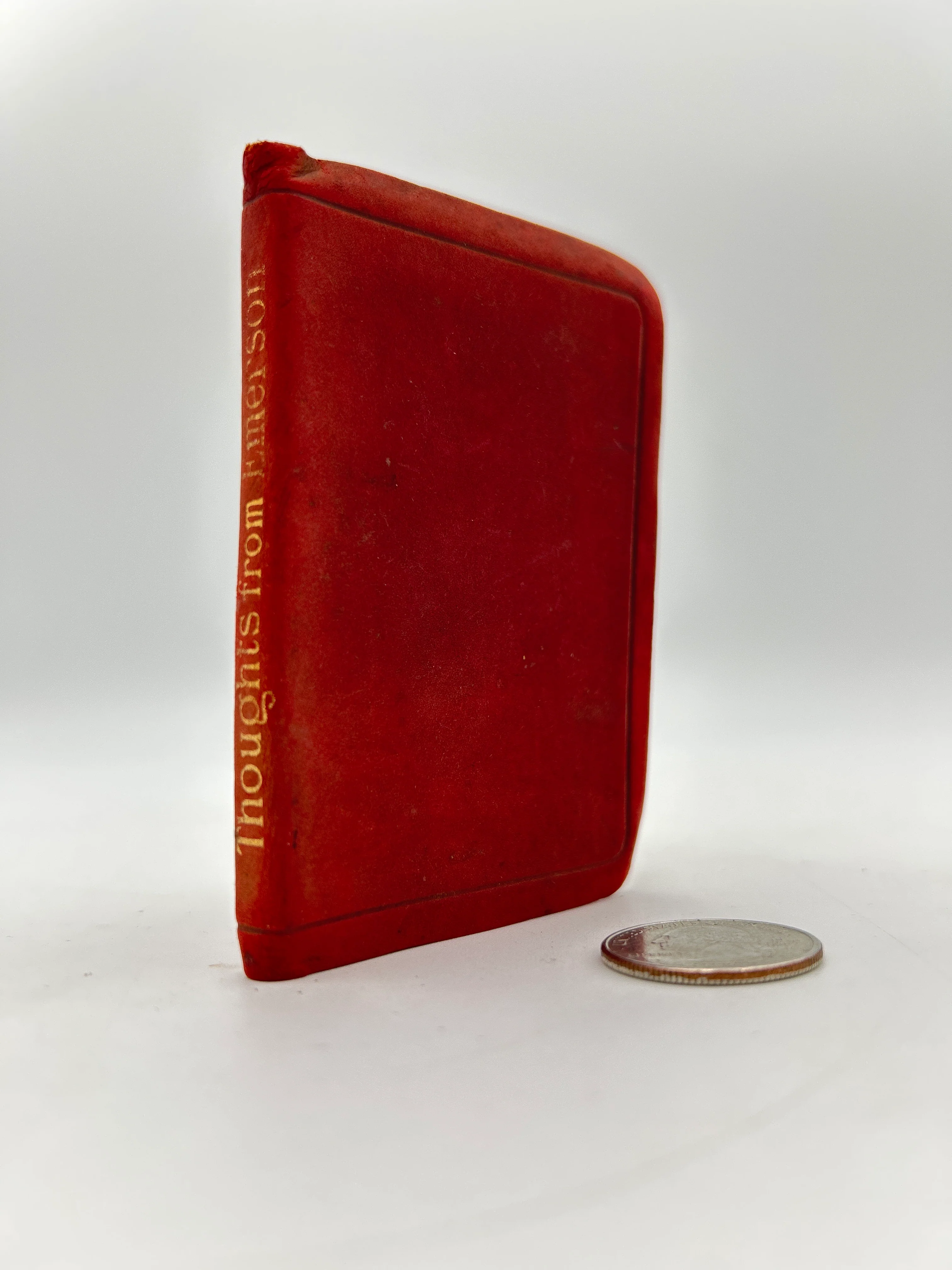
Description
6j Edinburgh: Nimmo Hay and Mitchell, ca. 1910.
Notes
Ralph Waldo Emerson was a nineteenth-century American essayist, lecturer, and poet best known as a leading voice of Transcendentalism. His writings emphasize self-reliance, individual conscience, the spiritual power of nature, and the belief that truth is found through personal insight rather than tradition or institutions. Essays such as Self-Reliance and Nature helped shape American intellectual life by encouraging independence of thought and a deep trust in the moral potential of the individual.
Miniature books grew especially popular in the late nineteenth and early twentieth centuries, when improvements in printing, paper quality, and typesetting made it possible to produce readable texts at very small sizes. Their appeal blended novelty, craftsmanship, and collectability: readers enjoyed the surprise of fully functional books small enough to fit in a pocket, while collectors prized the fine bindings, gilt lettering, and clever design challenges they represented. Miniature volumes were often given as gifts or souvenirs and frequently featured well-known classics, poetry, or religious texts, since familiar works lent themselves well to abbreviated or compact formats.
Description
Miniature. Rust suede binding. Gilt edges and gilt lettering on spine. Pastoral and castle endpapers. Fine condition.