🚚 Free Worldwide Shipping on All Orders!Shop Now

The Pearl
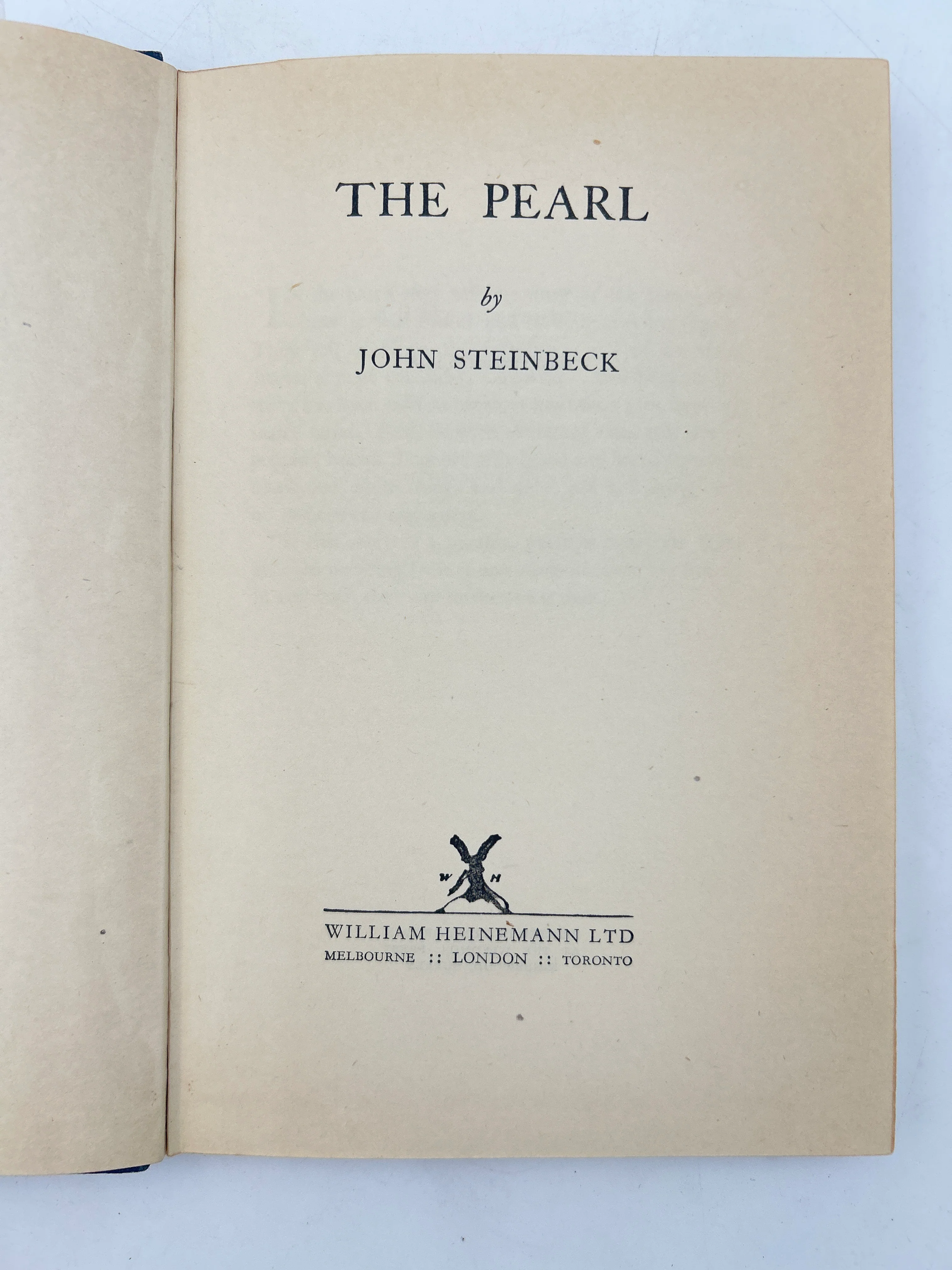
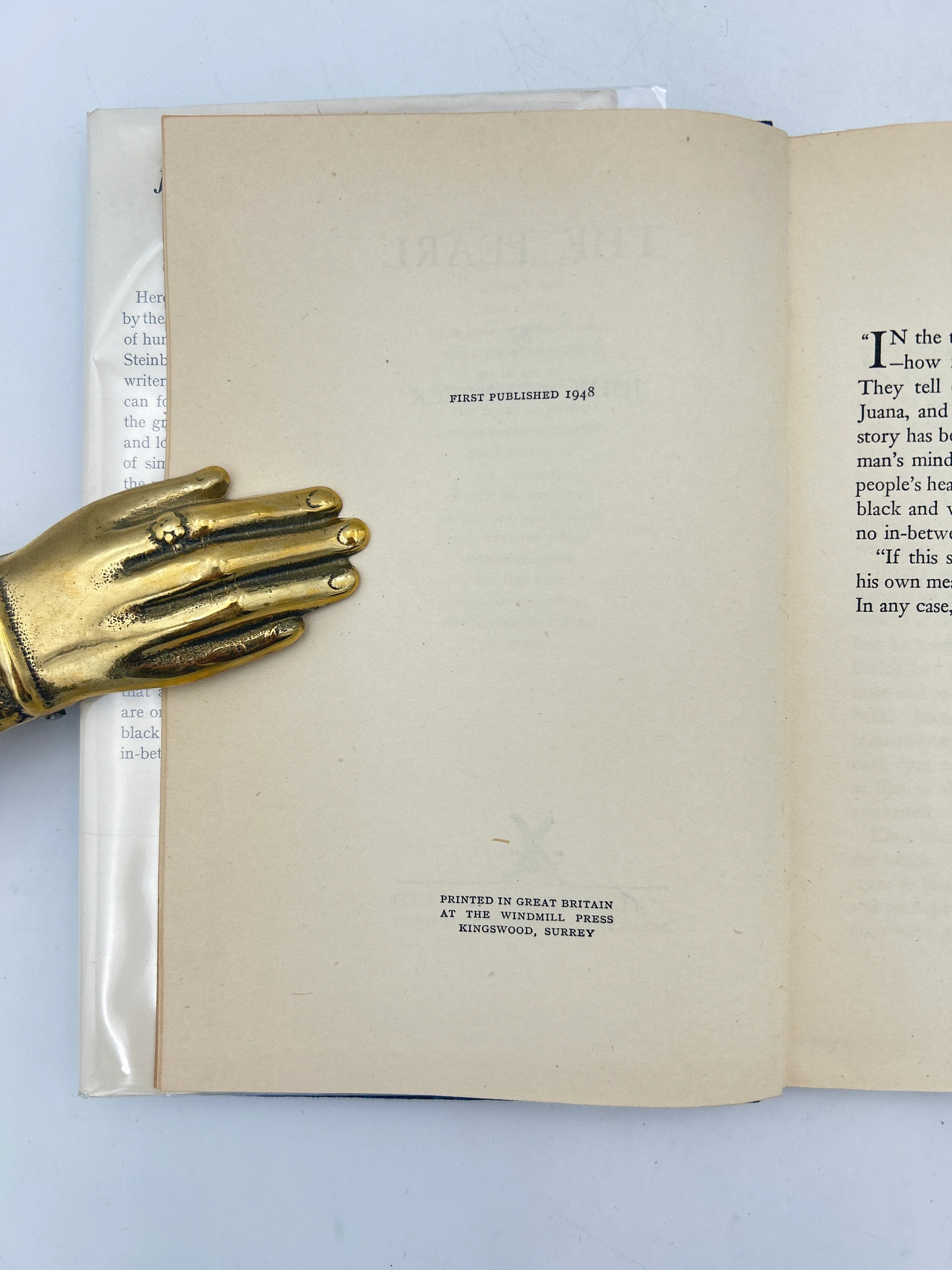
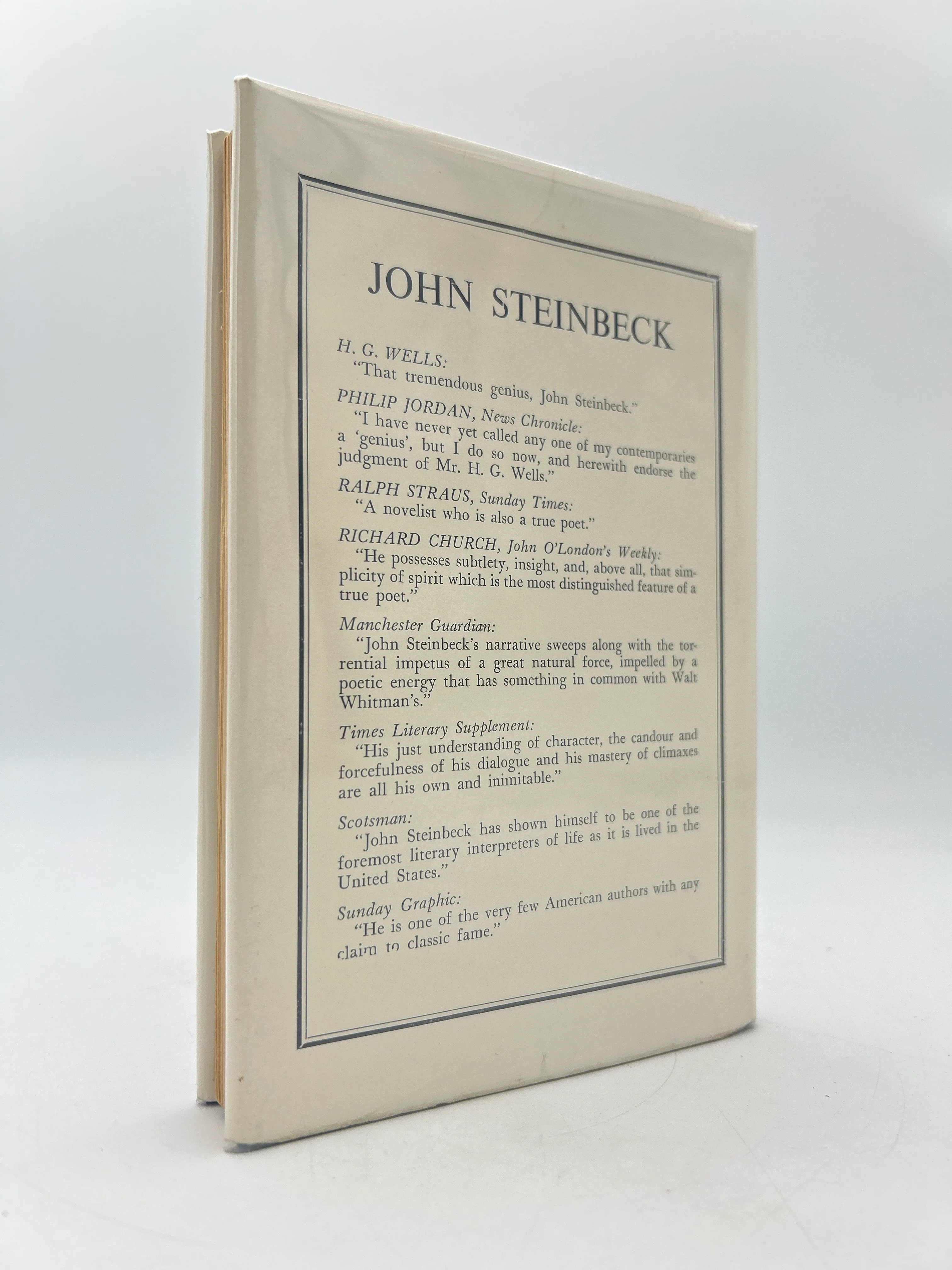
6b John Steinbeck. Great Britain: William Heinemann LTD, 1948. First Edition.
Notes
Based closely on a traditional Mexican folk tale from La Paz, The Pearl is a devastating, poetic parable that explores the destructive nature of wealth, corruption, and human greed. The narrative follows Kino, a poor, indigenous Mexican pearl diver who lives a simple, harmonious life with his wife, Juana, and their infant son, Coyotito. When Coyotito is stung by a scorpion and denied treatment by the greedy local doctor, Kino’s luck seemingly turns when he unearths an impossibly massive, flawless pearl—the legendary "Pearl of the World." Instead of securing his family's freedom and providing an education for his son, the promise of immense fortune instantly triggers the predatory instincts of his community. Kino is besieged by corrupt pearl buyers, thieves, and violent intruders, forcing him onto a desperate, bloody flight into the mountains. Through this tragic canvas, Steinbeck crafts a profound existential meditation on how colonial oppression and material desire can distort human values and tear apart the sanctuary of familial love.
The inspiration for The Pearl struck John Steinbeck in 1940 during a marine biological expedition to the Sea of Cortez with his close friend and mentor, Ed Ricketts. The story was first published under the title "The Pearl of the World" in the December 1945 issue of Woman’s Home Companion. Steinbeck subsequently expanded the text into a standalone novella, which was released in the United States by The Viking Press in late 1947. William Heinemann Ltd, Steinbeck's trusted, long-standing British publisher, swiftly brought the expanded narrative to the United Kingdom market early the following year. Steinbeck’s prose in The Pearl is uniquely stark, rhythmic, and biblical, utilizing recurring motif concepts like internal "songs"—such as the Song of the Family and the Song of Evil—to evoke the timeless oral traditions of native storytelling.
The 1948 British release of The Pearl arrived during a bleak period of post-war austerity and strict paper rationing in the United Kingdom, making clean, well-preserved surviving copies of this 97-page edition notably scarce on the antiquarian market. British critics and readers universally praised the concise, razor-sharp intensity of the text, viewing it as a masterful crystallization of Steinbeck’s signature moral consciousness and social advocacy. Today, this first UK edition remains highly prized by international collectors. Because the vibrant, artistic Heinemann dust jacket was printed on fragile post-war paper stocks, finding copies that are not severely chipped at the spine tips or heavily foxed remains an uncommon and rewarding achievement for any bibliophile.
Description
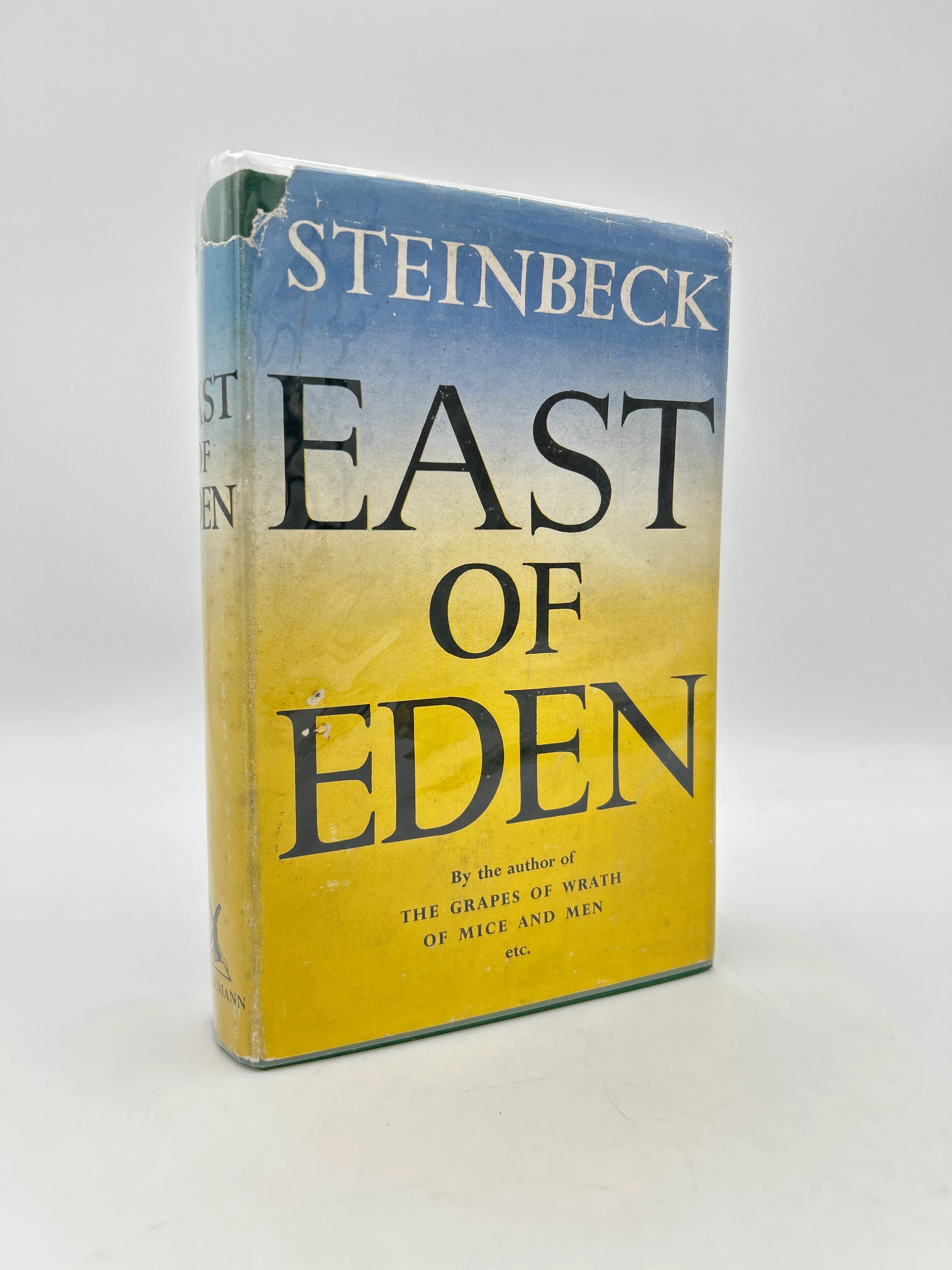
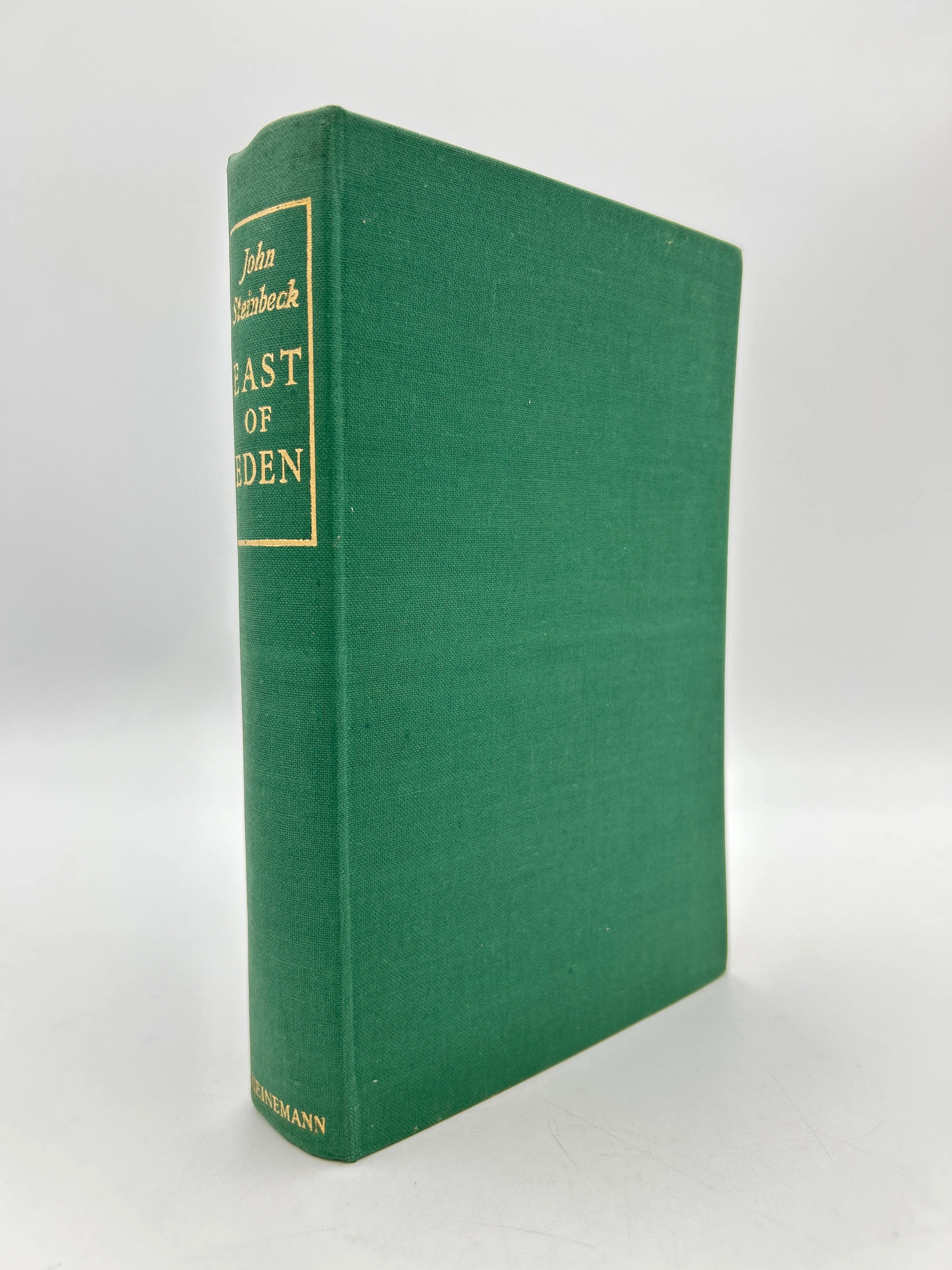
Blue canvas binding with black label to cover and spine with gilt lettering. Original dust wrapper. Slight wear to decker but overall very crisp and clean.
$138.25
Original: $395.00
-65%The Pearl—
$395.00
$138.25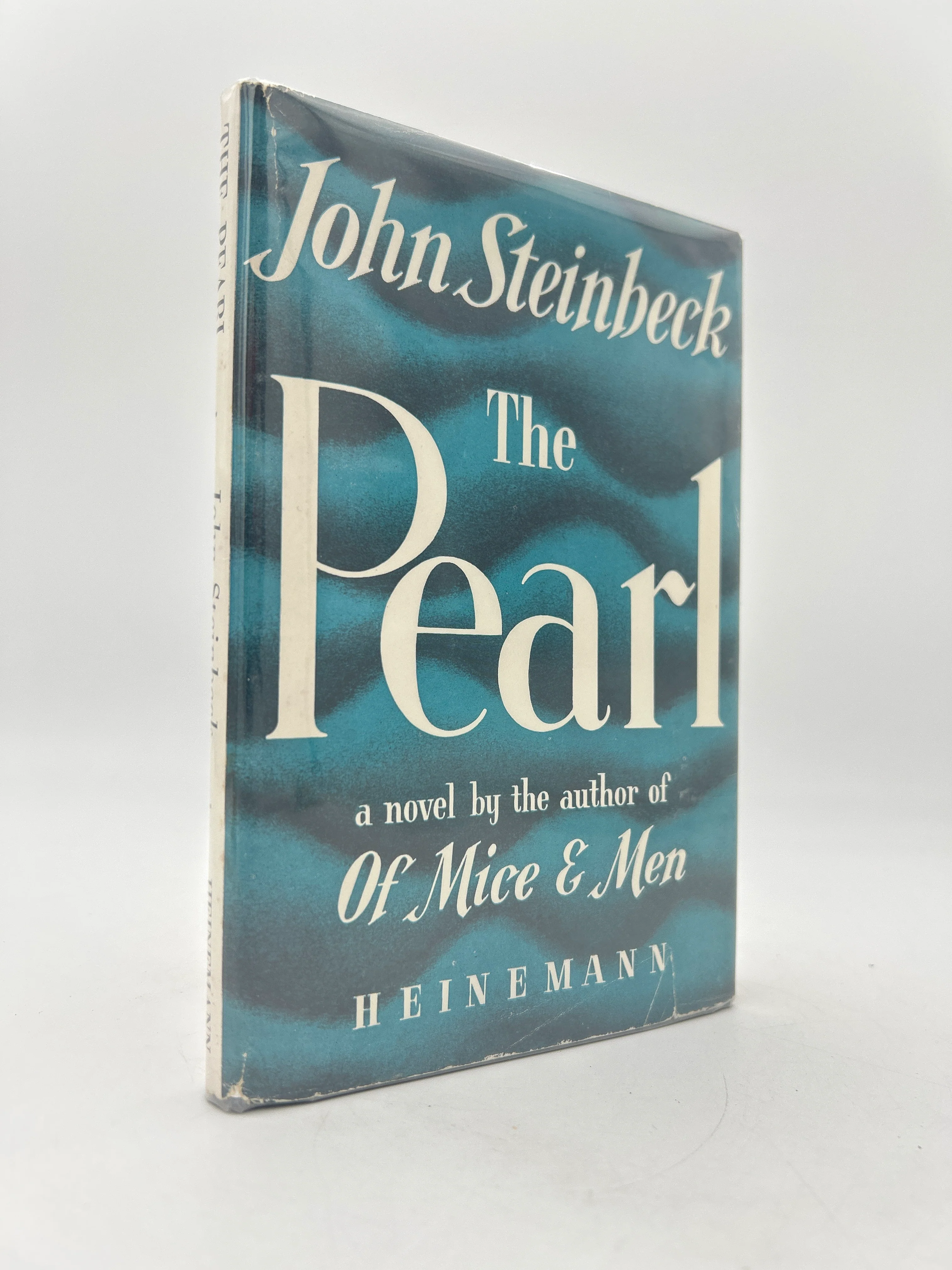

Description
6b John Steinbeck. Great Britain: William Heinemann LTD, 1948. First Edition.
Notes
Based closely on a traditional Mexican folk tale from La Paz, The Pearl is a devastating, poetic parable that explores the destructive nature of wealth, corruption, and human greed. The narrative follows Kino, a poor, indigenous Mexican pearl diver who lives a simple, harmonious life with his wife, Juana, and their infant son, Coyotito. When Coyotito is stung by a scorpion and denied treatment by the greedy local doctor, Kino’s luck seemingly turns when he unearths an impossibly massive, flawless pearl—the legendary "Pearl of the World." Instead of securing his family's freedom and providing an education for his son, the promise of immense fortune instantly triggers the predatory instincts of his community. Kino is besieged by corrupt pearl buyers, thieves, and violent intruders, forcing him onto a desperate, bloody flight into the mountains. Through this tragic canvas, Steinbeck crafts a profound existential meditation on how colonial oppression and material desire can distort human values and tear apart the sanctuary of familial love.
The inspiration for The Pearl struck John Steinbeck in 1940 during a marine biological expedition to the Sea of Cortez with his close friend and mentor, Ed Ricketts. The story was first published under the title "The Pearl of the World" in the December 1945 issue of Woman’s Home Companion. Steinbeck subsequently expanded the text into a standalone novella, which was released in the United States by The Viking Press in late 1947. William Heinemann Ltd, Steinbeck's trusted, long-standing British publisher, swiftly brought the expanded narrative to the United Kingdom market early the following year. Steinbeck’s prose in The Pearl is uniquely stark, rhythmic, and biblical, utilizing recurring motif concepts like internal "songs"—such as the Song of the Family and the Song of Evil—to evoke the timeless oral traditions of native storytelling.
The 1948 British release of The Pearl arrived during a bleak period of post-war austerity and strict paper rationing in the United Kingdom, making clean, well-preserved surviving copies of this 97-page edition notably scarce on the antiquarian market. British critics and readers universally praised the concise, razor-sharp intensity of the text, viewing it as a masterful crystallization of Steinbeck’s signature moral consciousness and social advocacy. Today, this first UK edition remains highly prized by international collectors. Because the vibrant, artistic Heinemann dust jacket was printed on fragile post-war paper stocks, finding copies that are not severely chipped at the spine tips or heavily foxed remains an uncommon and rewarding achievement for any bibliophile.
Description
Blue canvas binding with black label to cover and spine with gilt lettering. Original dust wrapper. Slight wear to decker but overall very crisp and clean.