🚚 Free Worldwide Shipping on All Orders!Shop Now

The Count of Monte-Cristo
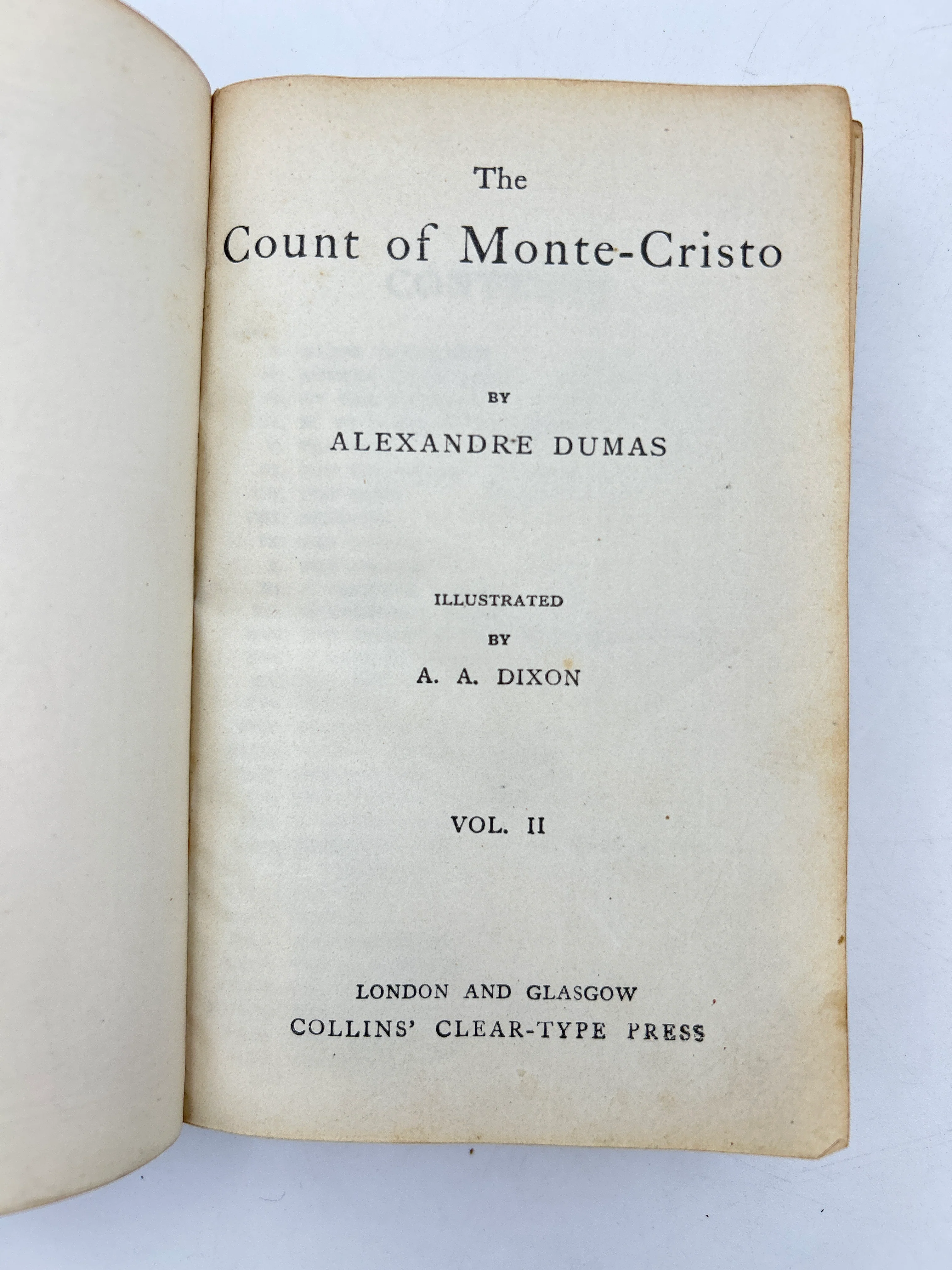
6b Alexandre Dumas. London: Collins’ Clear-Type Press. Ca. 1899. In two volumes.
Notes
Set during the turbulent historical backdrop of the Bourbon Restoration and the Hundred Days of Napoleon's return, The Count of Monte Cristo is the ultimate literary epic of wrongful imprisonment, hidden treasure, and calculated vengeance. The narrative follows Edmond Dantès, a brilliant, noble-hearted young French sailor who is falsely accused of treason by jealous rivals on the eve of his wedding. Consigned to a lifetime of solitary despair in the grim island fortress of the Château d'If, Dantès meets the Abbé Faria, an aging, polymathic prisoner who becomes his mentor. Faria educates Dantès in sciences, languages, and culture, and reveals the secret location of a colossal treasure buried on the uninhabited Isle of Monte Cristo. Following a daring, miraculous escape after fourteen years of captivity, Dantès unearths the fortune and adopts the persona of the enigmatic, unfathomably wealthy Count of Monte Cristo. He systematically infiltrates the highest echelons of Parisian society to orchestrate the psychological and social destruction of the three men who betrayed him. Far more than a mere adventure yarn, the novel explores profound existential themes of divine justice, the corrupting nature of absolute power, and the ultimate path to emotional redemption.
Originally serialized in France across eighteen separate monthly installments between 1844 and 1846, The Count of Monte Cristo was penned by Alexandre Dumas at the absolute height of his creative powers. Like many of his sprawling epics, Dumas constructed the intricate plot alongside his chief literary collaborator, Auguste Maquet. The novel was an instantaneous international sensation, translated into English almost immediately in 1846. The translation utilized in this edition represents an anonymous Victorian translation that has never been definitively attributed to a specific translator, adding an ironic layer of literary mystery to a text entirely built around hidden identities. Dumas masterfully fused historical realism with melodrama, drawing direct inspiration for Dantès's plight from a true case found in the French police archives (the tragic story of a wrongly accused shoemaker named François Picaud).
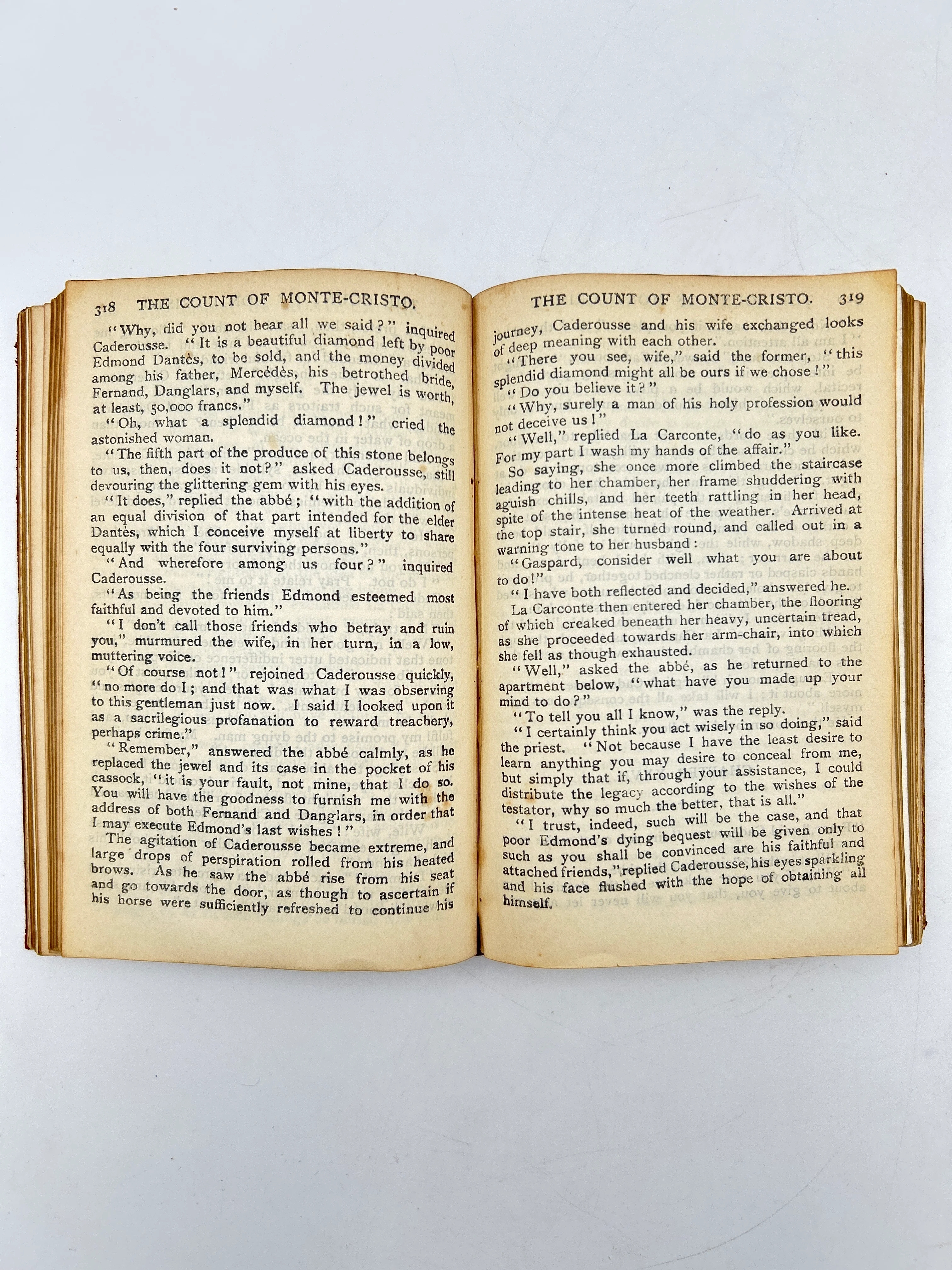
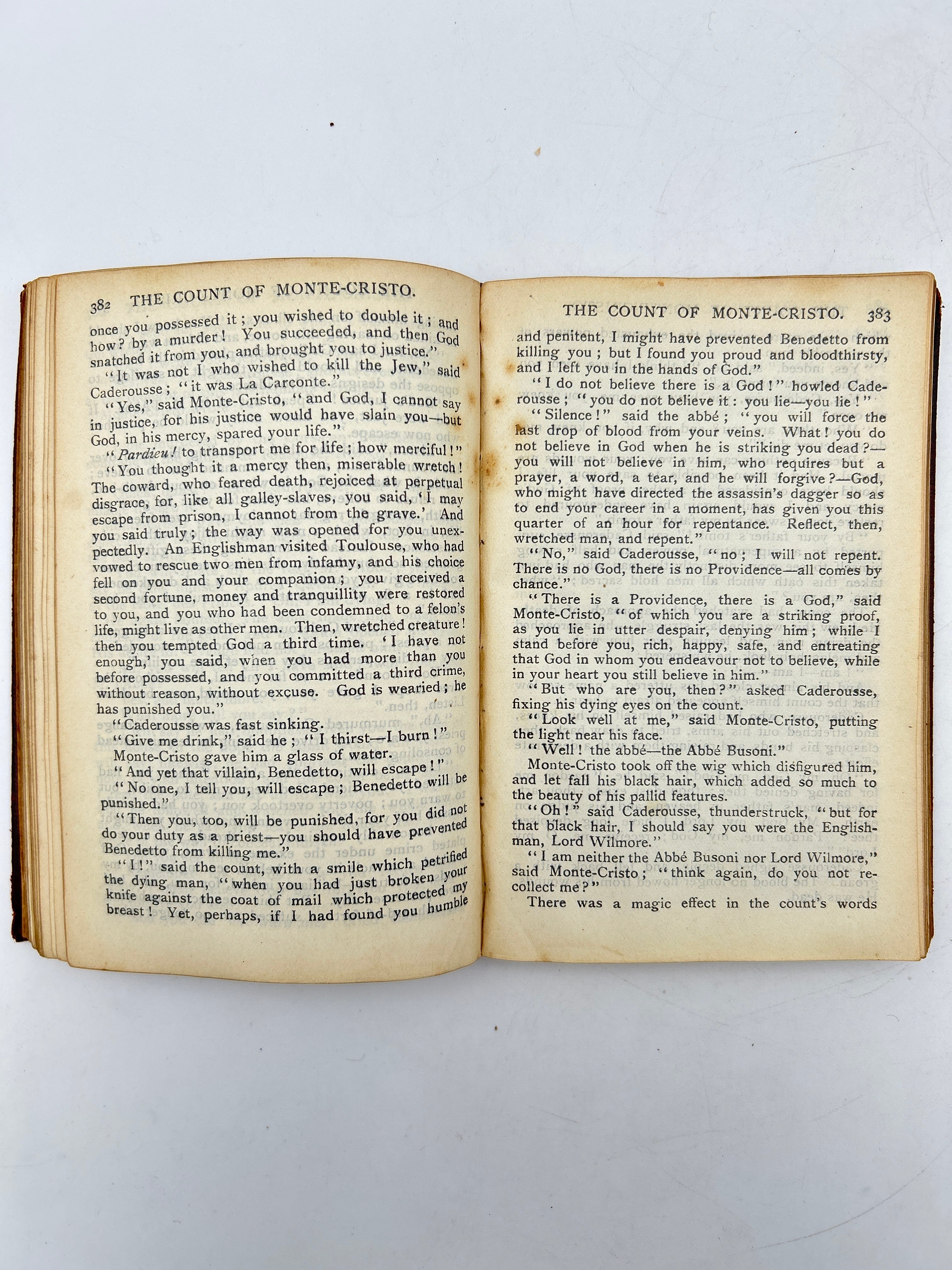
Because this volume bears no formal date on the title page, it occupies a highly specific niche in the history of British mass-market publishing. Collins’ Clear-Type Press was established in 1892 as a specialized, innovative subsidiary of the historic William Collins & Sons firm. The press utilized cutting-edge typesetting machinery designed to produce small, highly legible, pocket-friendly "Clear-Type" editions of the world's greatest literature. Your edition—estimated between 1899 and 1904—marks the true genesis of the Collins’ Pocket Classics series, which officially launched as a uniform brand in 1903 and went on to sell over 50 million books worldwide. By printing an unabridged, multi-volume masterpiece like The Count of Monte Cristoin a compact, readable, and affordable format, Collins democratized high literature for the expanding, mobile demographic of late-Victorian and Edwardian rail travelers. Today, this edition is highly prized as a beautifully engineered milestone of early modern book production, capturing a legendary text at the exact moment global publishing shifted toward mass accessibility.
Description
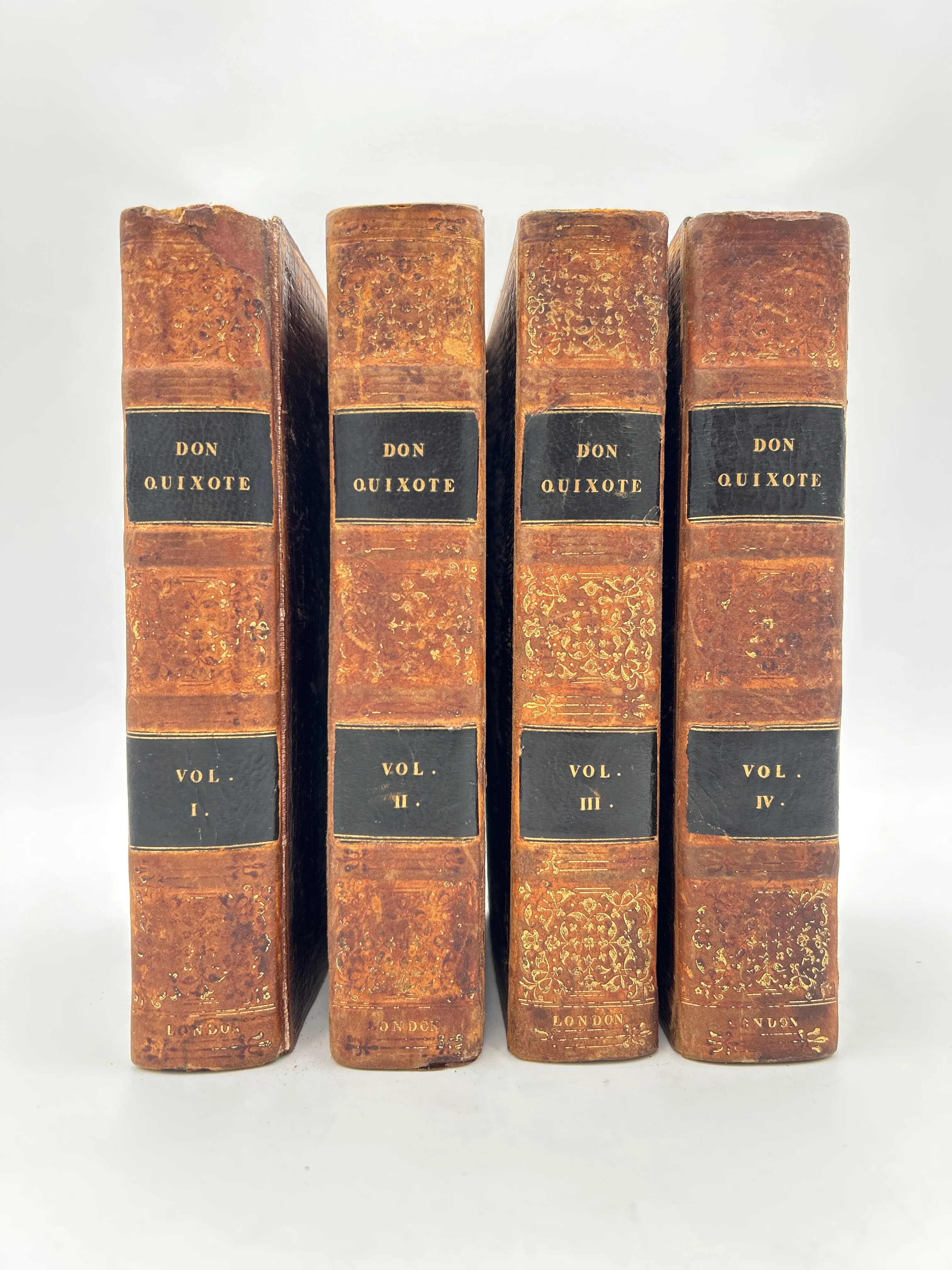
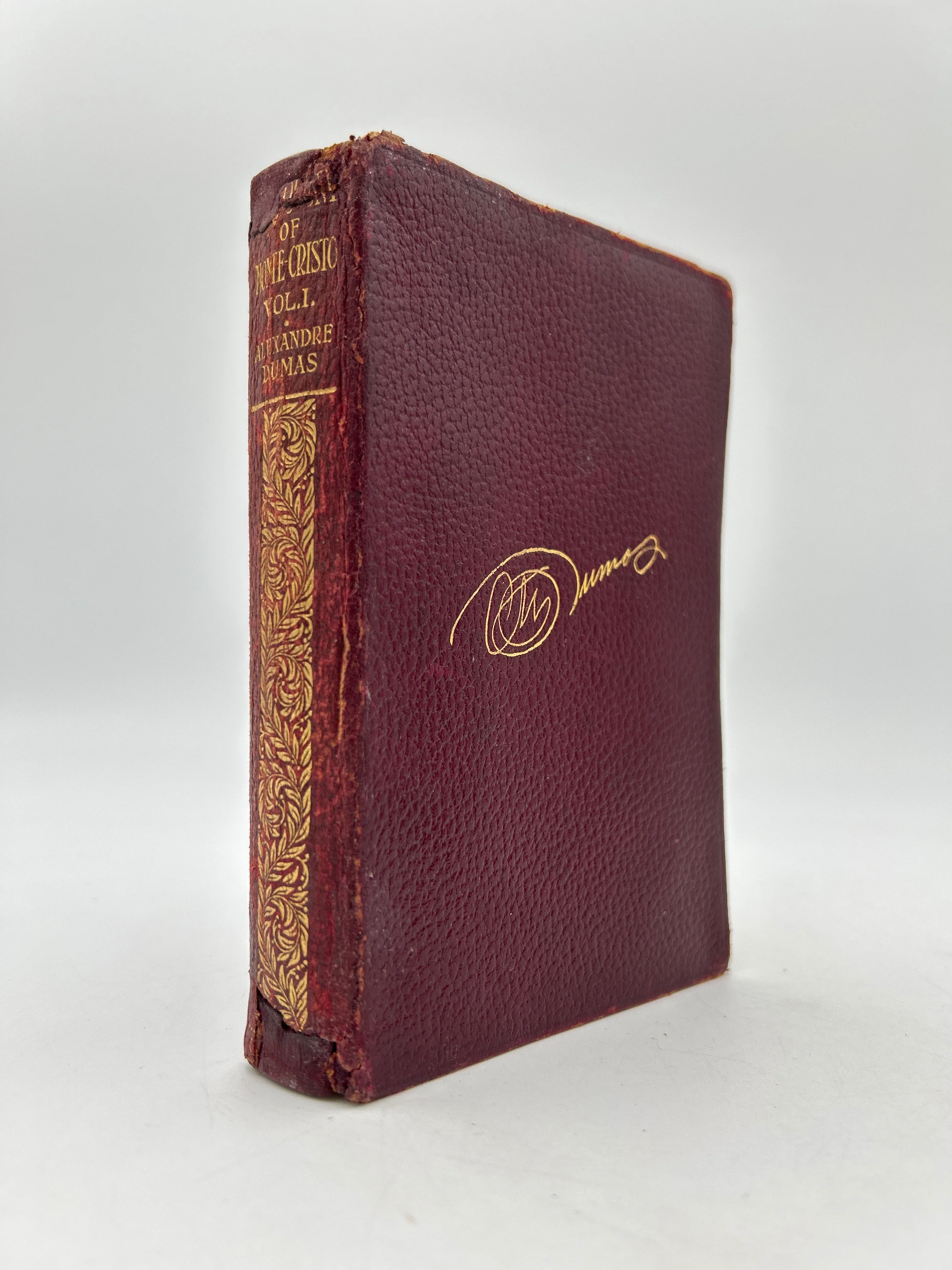
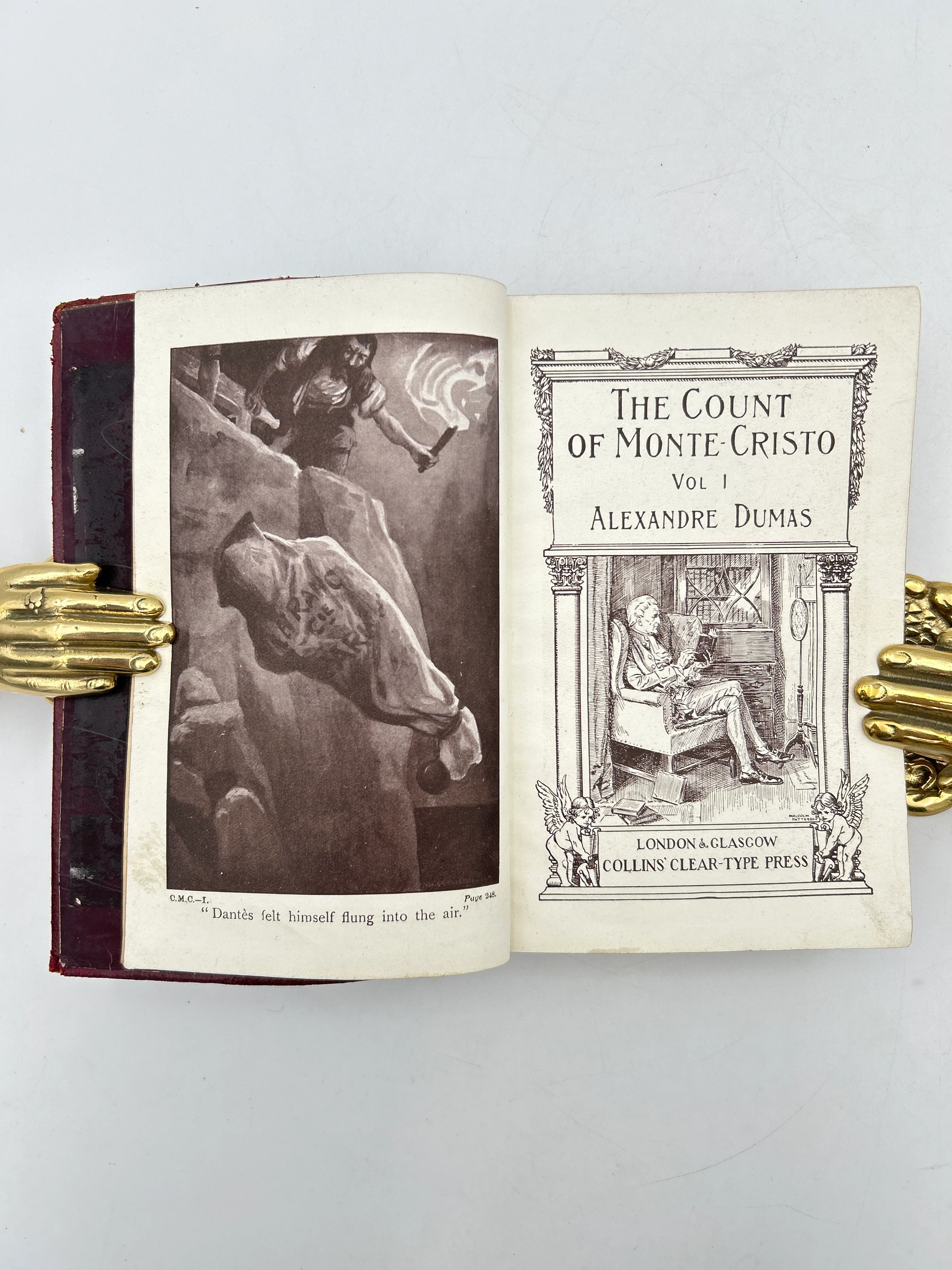
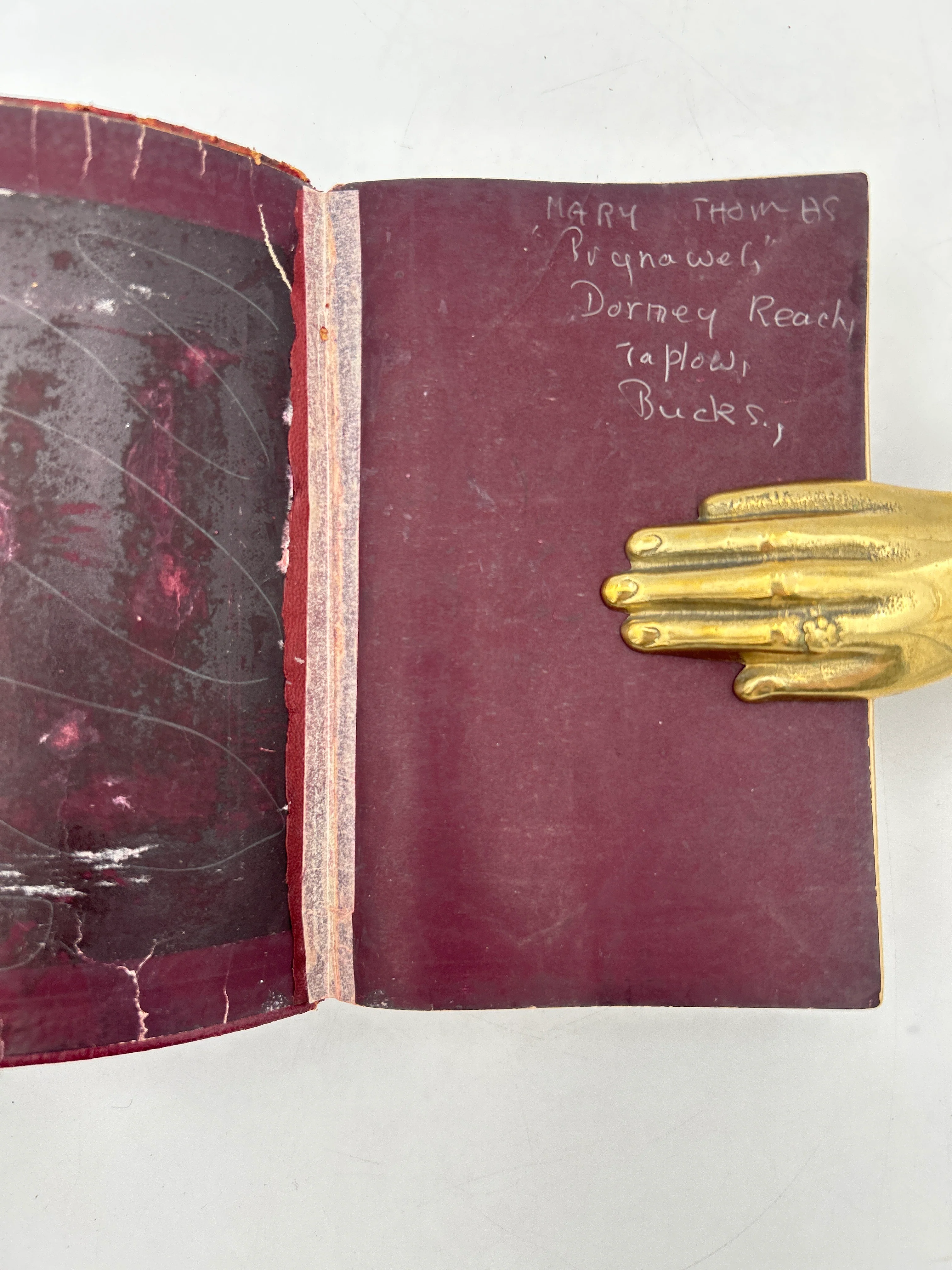
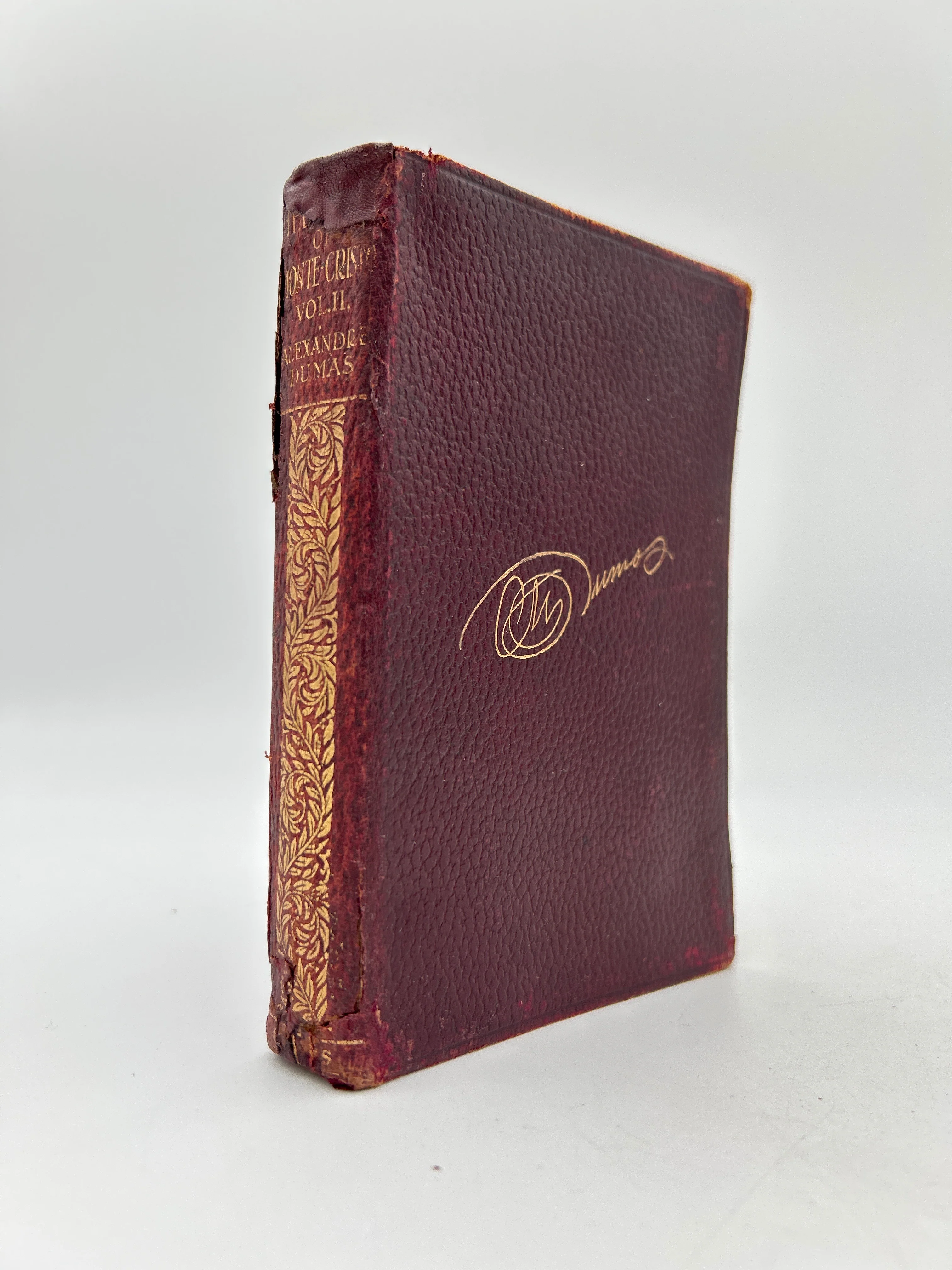
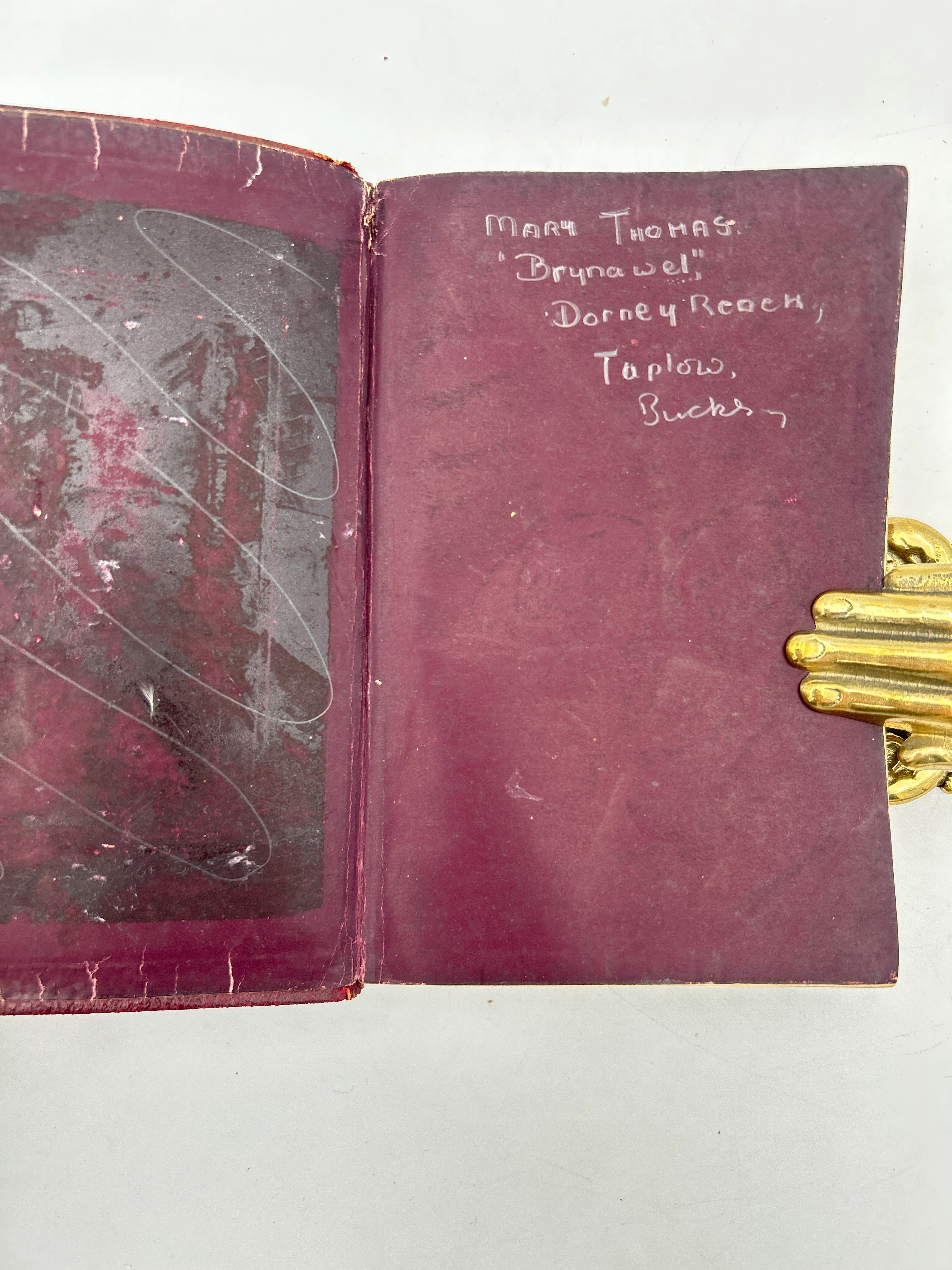
Bound in publisher's signature flexible trade binding. Maroon flexible leather. Gilt designs to spine and lettering with Dumas name to upper boards. Frontispiece plate with tissue guard and illustrated title page. Chipping to head and foot of spine with slight obstruction to text on spine. Slight edgewear to extremities. Gilt edges. Evidence of removed bookplate to interior covers. Pencil writing inscription to maroon preliminary endpaper.
$208.25
Original: $595.00
-65%The Count of Monte-Cristo—
$595.00
$208.25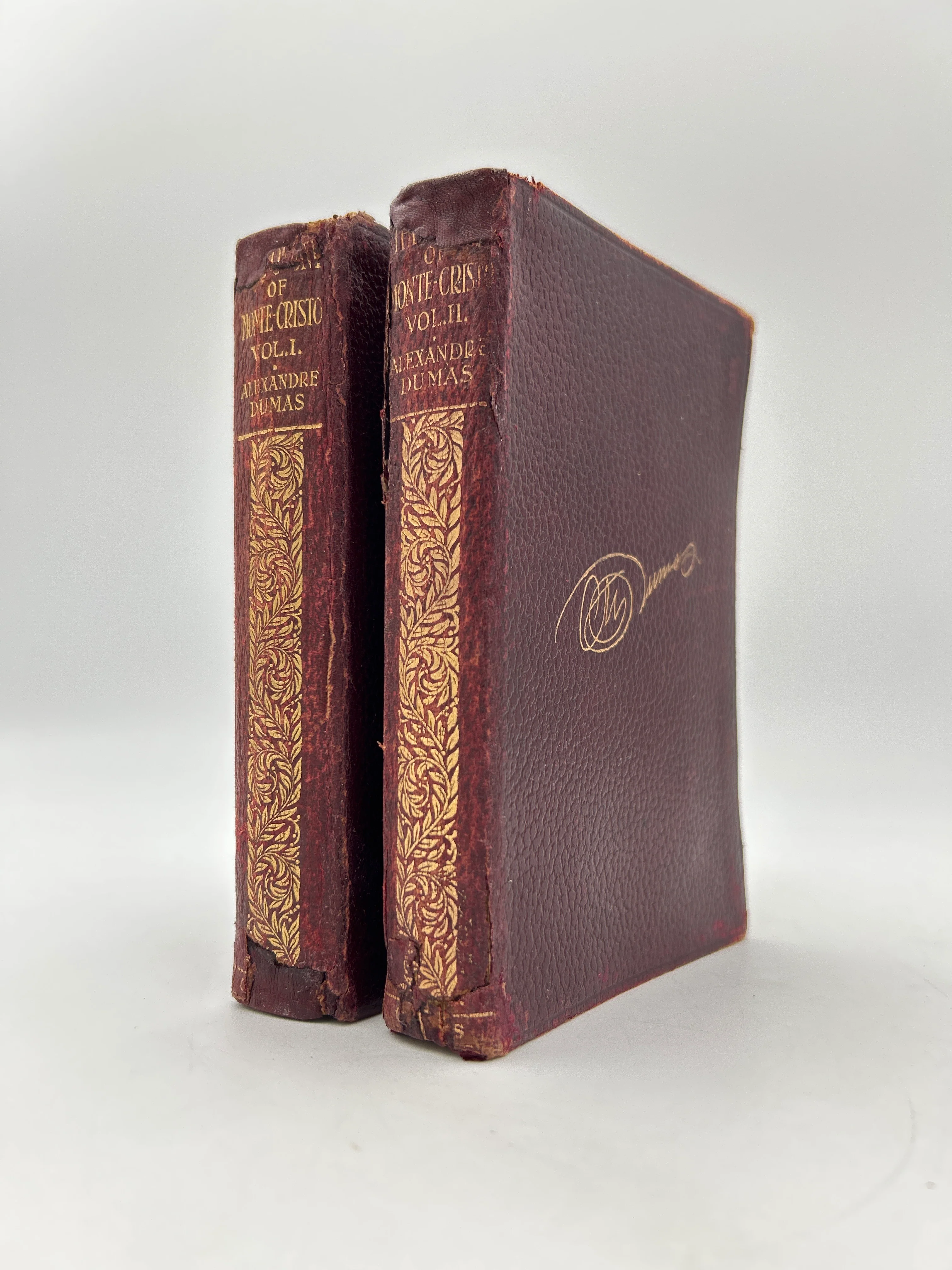

Description
6b Alexandre Dumas. London: Collins’ Clear-Type Press. Ca. 1899. In two volumes.
Notes
Set during the turbulent historical backdrop of the Bourbon Restoration and the Hundred Days of Napoleon's return, The Count of Monte Cristo is the ultimate literary epic of wrongful imprisonment, hidden treasure, and calculated vengeance. The narrative follows Edmond Dantès, a brilliant, noble-hearted young French sailor who is falsely accused of treason by jealous rivals on the eve of his wedding. Consigned to a lifetime of solitary despair in the grim island fortress of the Château d'If, Dantès meets the Abbé Faria, an aging, polymathic prisoner who becomes his mentor. Faria educates Dantès in sciences, languages, and culture, and reveals the secret location of a colossal treasure buried on the uninhabited Isle of Monte Cristo. Following a daring, miraculous escape after fourteen years of captivity, Dantès unearths the fortune and adopts the persona of the enigmatic, unfathomably wealthy Count of Monte Cristo. He systematically infiltrates the highest echelons of Parisian society to orchestrate the psychological and social destruction of the three men who betrayed him. Far more than a mere adventure yarn, the novel explores profound existential themes of divine justice, the corrupting nature of absolute power, and the ultimate path to emotional redemption.
Originally serialized in France across eighteen separate monthly installments between 1844 and 1846, The Count of Monte Cristo was penned by Alexandre Dumas at the absolute height of his creative powers. Like many of his sprawling epics, Dumas constructed the intricate plot alongside his chief literary collaborator, Auguste Maquet. The novel was an instantaneous international sensation, translated into English almost immediately in 1846. The translation utilized in this edition represents an anonymous Victorian translation that has never been definitively attributed to a specific translator, adding an ironic layer of literary mystery to a text entirely built around hidden identities. Dumas masterfully fused historical realism with melodrama, drawing direct inspiration for Dantès's plight from a true case found in the French police archives (the tragic story of a wrongly accused shoemaker named François Picaud).
Because this volume bears no formal date on the title page, it occupies a highly specific niche in the history of British mass-market publishing. Collins’ Clear-Type Press was established in 1892 as a specialized, innovative subsidiary of the historic William Collins & Sons firm. The press utilized cutting-edge typesetting machinery designed to produce small, highly legible, pocket-friendly "Clear-Type" editions of the world's greatest literature. Your edition—estimated between 1899 and 1904—marks the true genesis of the Collins’ Pocket Classics series, which officially launched as a uniform brand in 1903 and went on to sell over 50 million books worldwide. By printing an unabridged, multi-volume masterpiece like The Count of Monte Cristoin a compact, readable, and affordable format, Collins democratized high literature for the expanding, mobile demographic of late-Victorian and Edwardian rail travelers. Today, this edition is highly prized as a beautifully engineered milestone of early modern book production, capturing a legendary text at the exact moment global publishing shifted toward mass accessibility.
Description
Bound in publisher's signature flexible trade binding. Maroon flexible leather. Gilt designs to spine and lettering with Dumas name to upper boards. Frontispiece plate with tissue guard and illustrated title page. Chipping to head and foot of spine with slight obstruction to text on spine. Slight edgewear to extremities. Gilt edges. Evidence of removed bookplate to interior covers. Pencil writing inscription to maroon preliminary endpaper.