Little Red Riding Hood
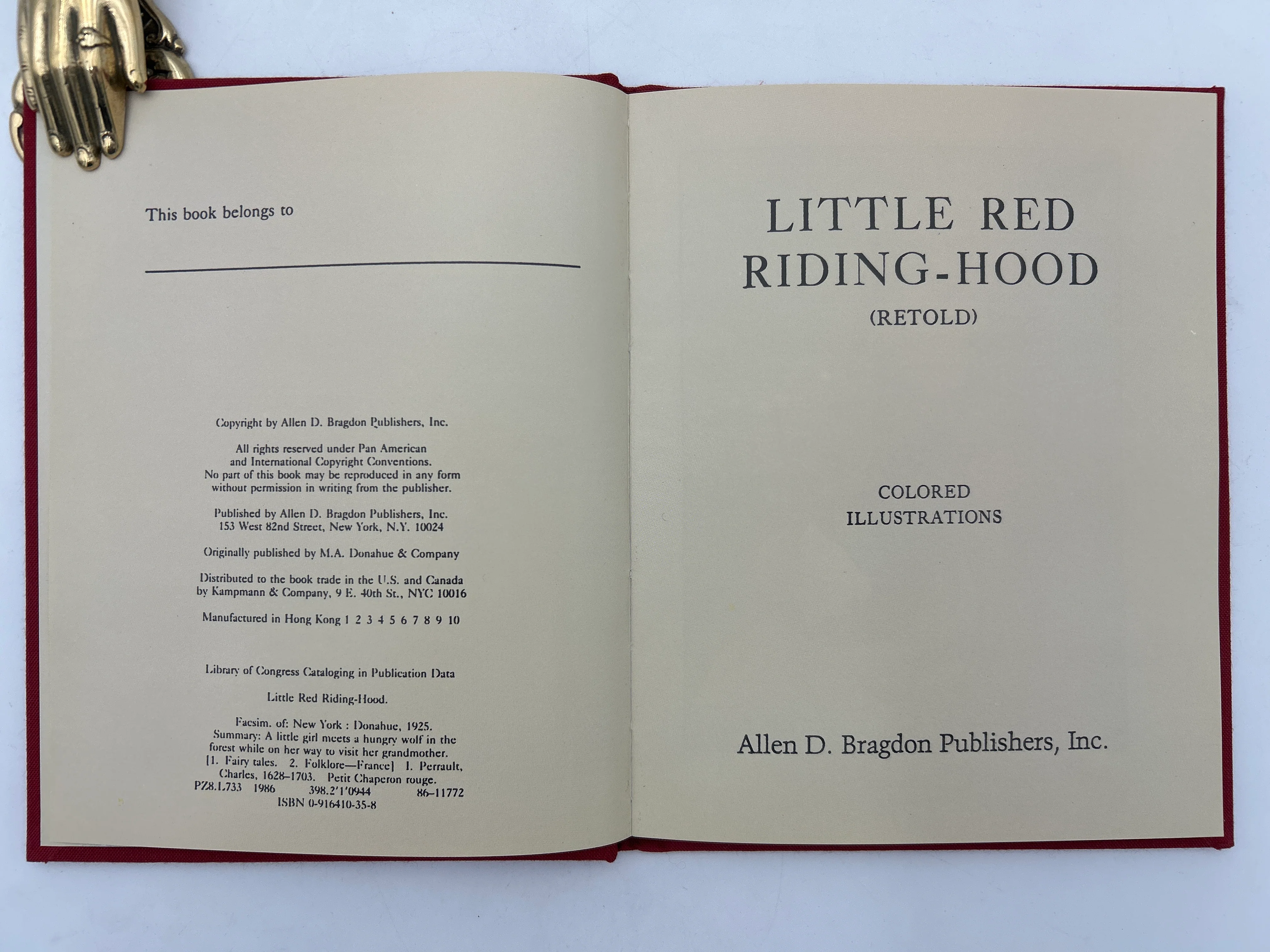
6C, Allen D. Bragdon Publishers, Inc. 1959
Notes
The original story, most famously recorded by Charles Perrault and later by the Brothers Grimm, tells of a young girl who travels through the woods to visit her grandmother and encounters a cunning wolf. By 1959, this tale had already become a staple of children’s storytelling and was frequently adapted for screen.
In 1959, adaptations of Little Red Riding Hood typically reflected the era’s storytelling style—simple, moral-focused, and family-friendly. Many versions emphasized the lesson about obeying parents and being cautious with strangers. Some were live-action productions, while others were animated, often with colorful, stylized visuals and a lighter tone compared to the darker earlier versions of the tale.
These mid-century adaptations also tended to soften the more frightening elements. For example, instead of tragic endings, the story usually concludes happily, with the girl and her grandmother saved—often by a woodsman figure who defeats the wolf.
Overall, the 1959 interpretations of Little Red Riding Hood are part of a broader tradition of retelling this enduring fairy tale, reflecting the values and sensibilities of mid-20th-century audiences while preserving the core narrative of innocence, danger, and moral lesson.
Description
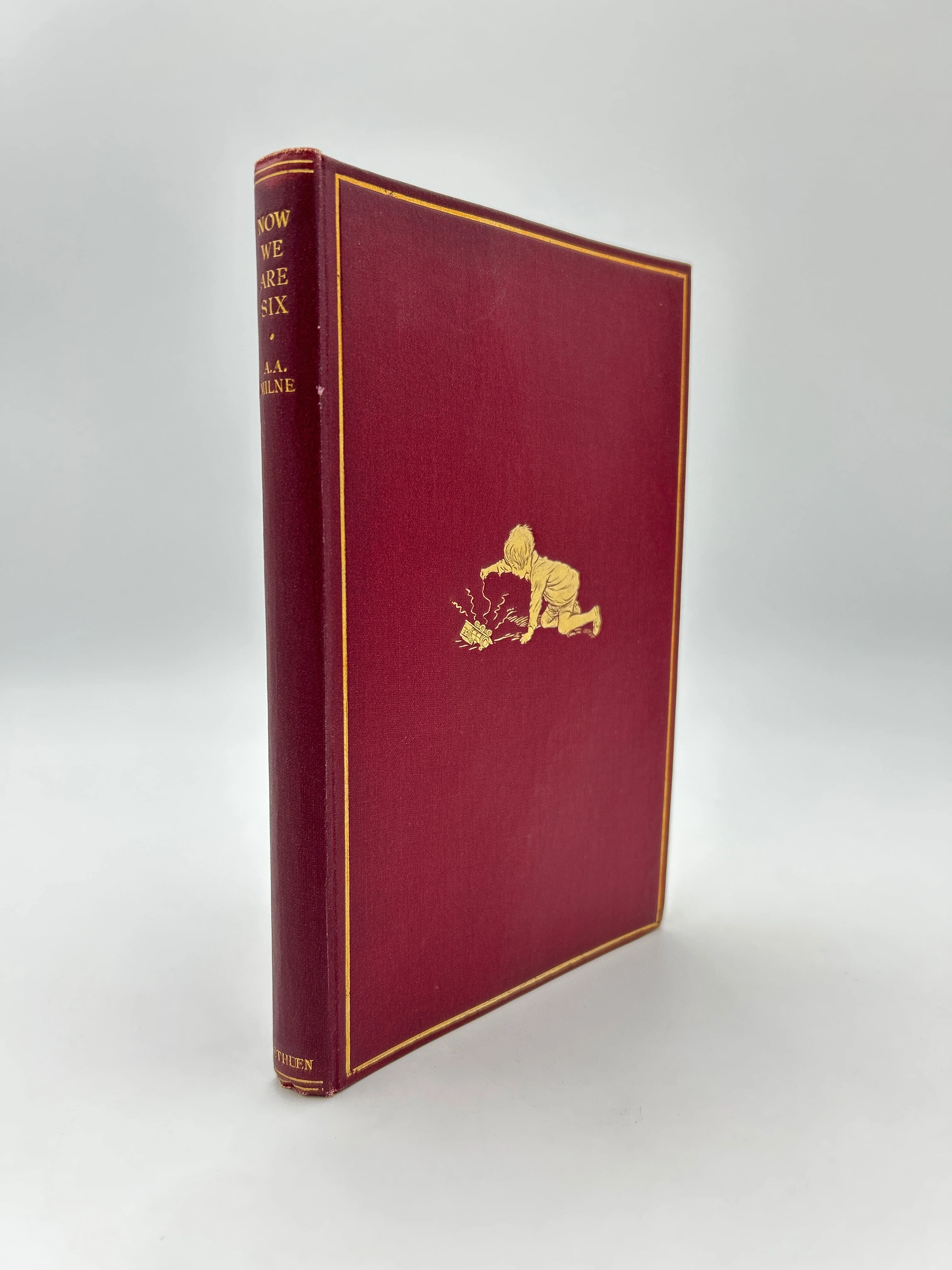
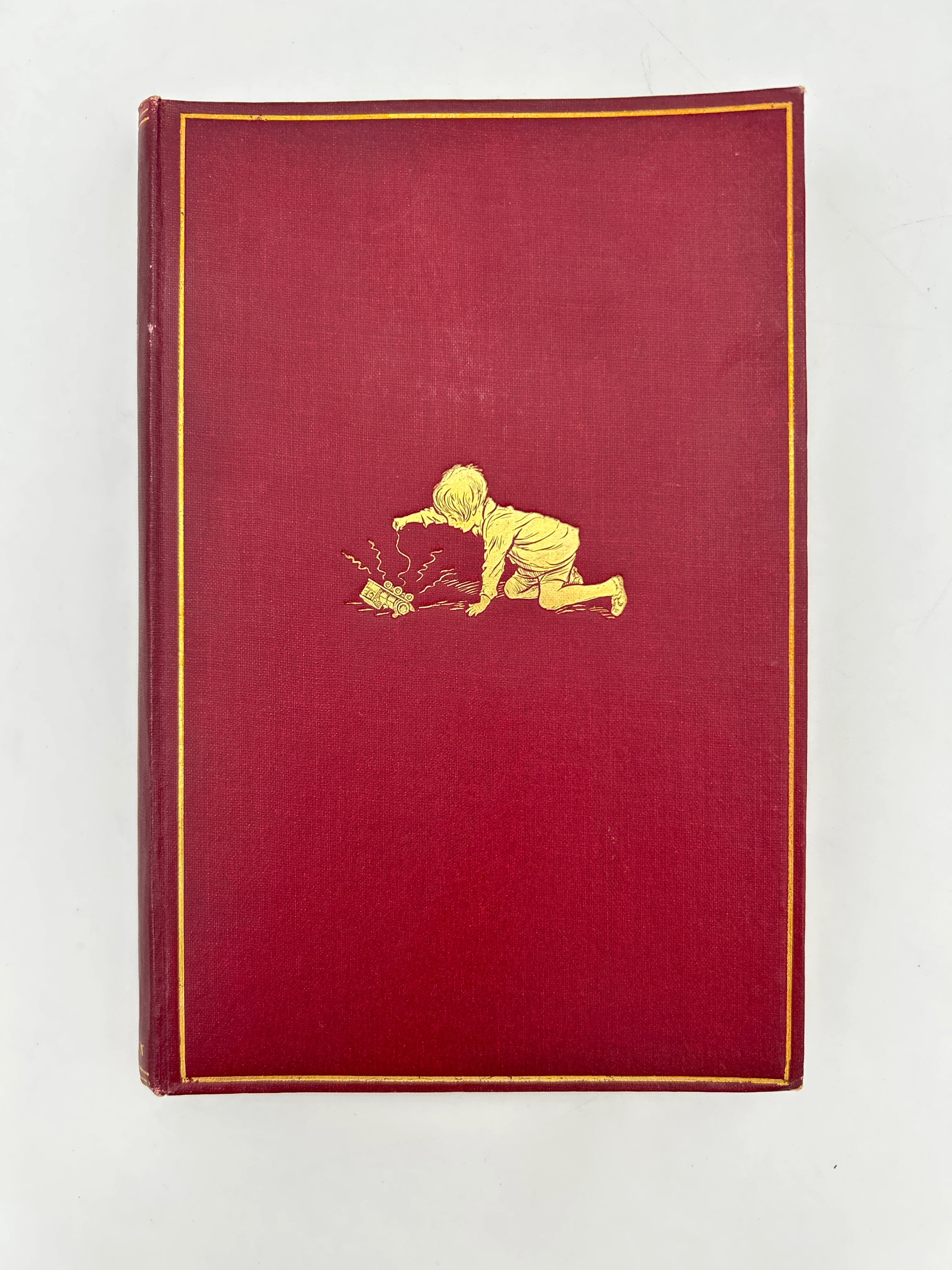
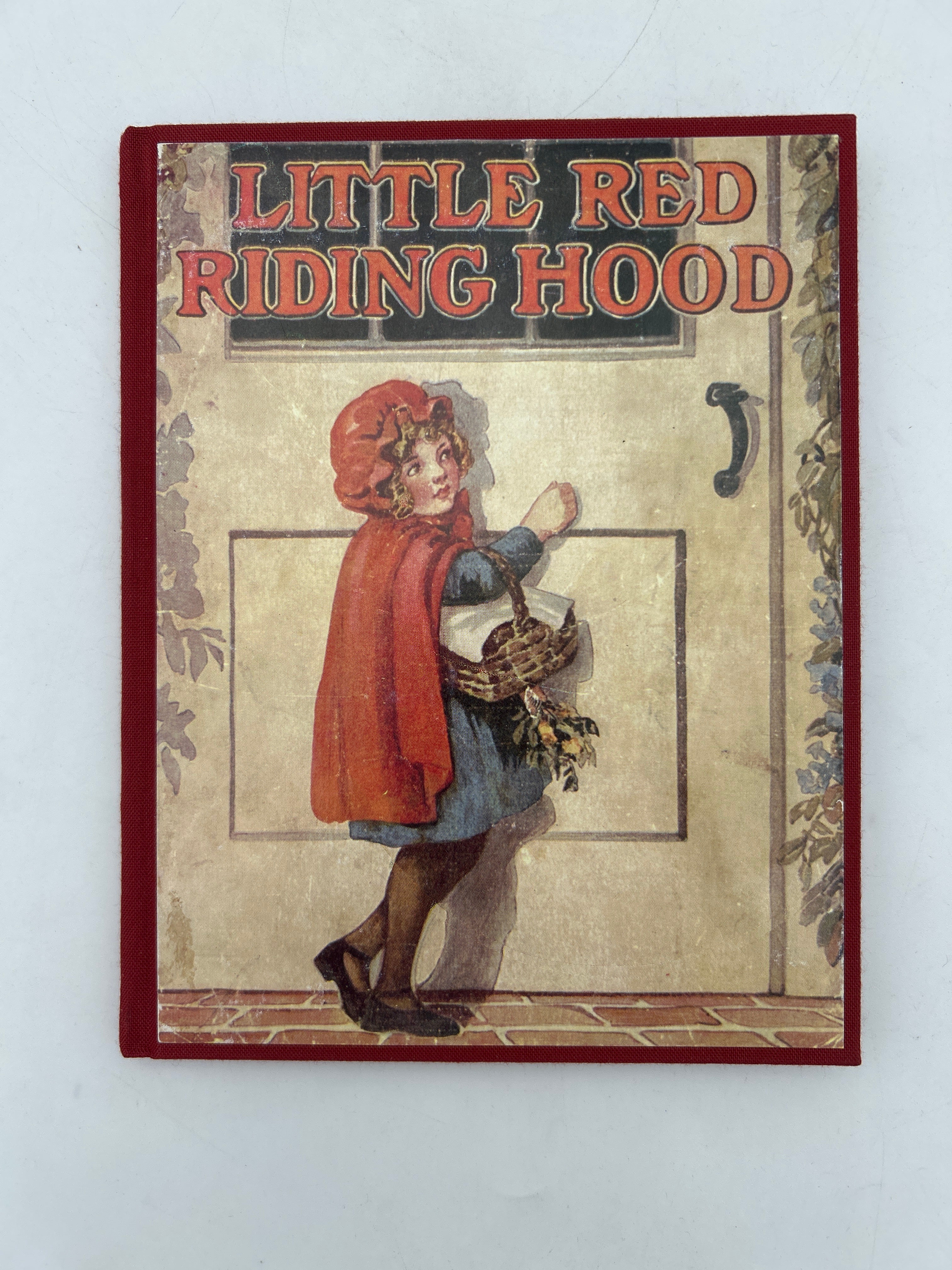
Red Hardback with paper color illustration on front, colored illustrations throughout, very fine condition.

Description
6C, Allen D. Bragdon Publishers, Inc. 1959
Notes
The original story, most famously recorded by Charles Perrault and later by the Brothers Grimm, tells of a young girl who travels through the woods to visit her grandmother and encounters a cunning wolf. By 1959, this tale had already become a staple of children’s storytelling and was frequently adapted for screen.
In 1959, adaptations of Little Red Riding Hood typically reflected the era’s storytelling style—simple, moral-focused, and family-friendly. Many versions emphasized the lesson about obeying parents and being cautious with strangers. Some were live-action productions, while others were animated, often with colorful, stylized visuals and a lighter tone compared to the darker earlier versions of the tale.
These mid-century adaptations also tended to soften the more frightening elements. For example, instead of tragic endings, the story usually concludes happily, with the girl and her grandmother saved—often by a woodsman figure who defeats the wolf.
Overall, the 1959 interpretations of Little Red Riding Hood are part of a broader tradition of retelling this enduring fairy tale, reflecting the values and sensibilities of mid-20th-century audiences while preserving the core narrative of innocence, danger, and moral lesson.
Description
Red Hardback with paper color illustration on front, colored illustrations throughout, very fine condition.